Thirty Years Since Graduation – Reflections on a Career in Osteopathy

30 years since I graduated from the British School of Osteopathy!

When I left the BSO in 1996, I could never have imagined where the next three decades would lead. Like many new graduates, I was excited, slightly apprehensive and eager to put years of study into practice. What I didn’t appreciate at the time was that the real learning was only just beginning.

My career started in private practice in Notting Hill and Harley Street, London, before I returned to the British School of Osteopathy as a Clinical Tutor, helping students develop their clinical skills. Those early years were incredibly rewarding and reinforced an important lesson: every patient is different, and no textbook can replace careful listening and thoughtful clinical reasoning.

In 2003, I made the decision to leave London and move to Devon to raise my family. Looking back, it remains one of the best decisions I’ve ever made. Four years later, I established South Dartmoor Clinic in Ashburton, where I’ve had the privilege of caring for thousands of patients from across South Devon and beyond.

Over the years I’ve been fortunate to lecture and teach at organisations including Peninsula Medical School, the British School of Osteopathy, the University of Westminster, the Home Office and the London Stock Exchange. I’ve also worked with businesses to improve workplace ergonomics and employee wellbeing, and spent time supporting the NHS during the COVID-19 pandemic.

Although osteopathy has evolved considerably over the last 30 years, some things have remained unchanged. Good healthcare is still built on listening carefully, understanding each person’s circumstances and working together to help them achieve their goals. Techniques may change and research continues to develop, but compassion, curiosity and clear communication remain at the heart of effective treatment.

One of the greatest privileges of this profession has been the variety of people I’ve met. I’ve treated everyone from babies to people in their nineties, office workers, manual labourers, runners, cyclists, swimmers, musicians and those simply wanting to enjoy everyday life without pain. Every patient has taught me something.

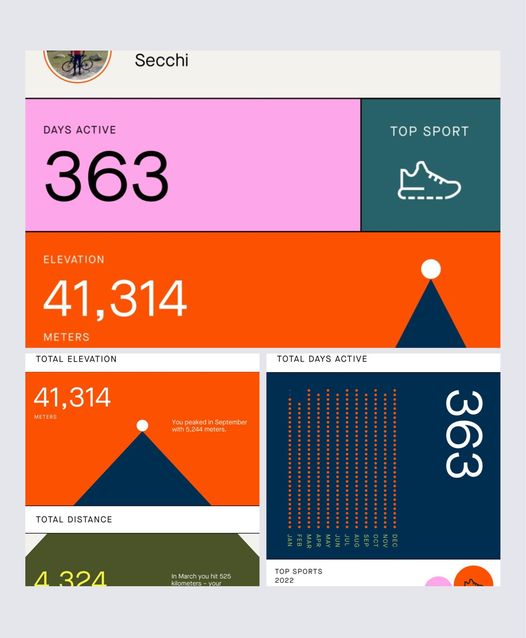
Outside the clinic, staying active has helped shape my approach to treatment. Trail running, open-water swimming, cycling, kayaking and climbing have given me a personal appreciation of the physical and psychological challenges that injury can bring. They remind me that rehabilitation isn’t just about reducing pain—it’s about helping people return to the activities that matter most to them.

Thirty years on, I still enjoy coming to work each day. I continue to learn from my patients, undertake further professional development and refine my approach. Osteopathy has given me a career that is both intellectually stimulating and deeply rewarding, and I remain incredibly grateful to everyone who has placed their trust in me over the years.

To all my patients—past and present—thank you. It has been a privilege to be part of your journey, and I look forward to helping many more people over the years ahead.

Thirty Years in Practice: A Journey of Learning, Connection and Gratitude

June 2026 marks 30 years since I began practising as an osteopath. Reaching this milestone has given me an opportunity to reflect on what an extraordinary privilege it has been to spend three decades helping people improve their health, wellbeing and quality of life.

When I first qualified, I could never have imagined the number of people I would meet, the stories I would hear, and the lessons I would learn along the way. Every patient has brought something unique to my professional journey, and I remain deeply grateful for the trust that people place in me when they come for treatment.

One of the things I love most about osteopathy is that no two days are ever the same. Even after 30 years, I continue to find the work challenging, stimulating and endlessly interesting. The human body is remarkable, and every individual presents a different puzzle to solve. There is always something new to learn, another perspective to consider, and another opportunity to improve the care I provide.

What has surprised me most is how much the profession is about people. Of course, osteopathy involves knowledge, skill and experience, but at its heart it is about connection. Over the years, I have had the privilege of supporting people through all stages of life, from young children to older adults. I have shared in their successes, listened to their concerns, and often accompanied them through difficult periods of pain, recovery or change.

Those relationships have been one of the greatest joys of my career. I continue to value the conversations, the trust that develops over time, and the satisfaction of helping someone move more freely, feel more comfortable, and return to the activities they enjoy.

Thirty years on, I still look forward to coming to work. I still find osteopathy fascinating. I still enjoy the challenge of understanding each person’s unique situation. Most importantly, I still love the opportunity to connect with people and make a positive difference in their lives.

Thank you to all the patients who have been part of this journey. Your trust, loyalty and support have made these 30 years both rewarding and memorable. I look forward to continuing the journey and helping many more people in the years ahead.

London Marathon 2026/7!!

Running the London Marathon for Samaritans – A Change of Plan

Earlier this year, I signed up to run the London Marathon in April in support of Samaritans, a charity that provides life-saving emotional support to anyone who needs someone to listen.

Taking on the London Marathon has always been a personal challenge I wanted to face — not just for the miles themselves, but for what they represent: resilience, determination, and showing up even when things feel tough. Running for Samaritans makes that challenge even more meaningful. Every day, they answer calls from people who are struggling, offering compassion and understanding at some of life’s darkest moments. It’s an extraordinary service, powered largely by volunteers, and one that has touched countless lives.

Unfortunately, life has thrown in an unexpected hurdle.

In January 2026, I had Covid, and although I recovered from the initial infection, I’ve been left with mild long Covid symptoms. While I’m improving, it’s become clear that pushing myself to marathon level training this year wouldn’t be the right decision for my health or recovery.

After careful thought, I’ve made the decision to defer my place in the London Marathon to 2027.

Of course, this is disappointing. I was looking forward to lining up at the start in April, representing Samaritans and everyone who has supported me. But recovery has to come first, and I want to make sure that when I do stand on that start line, I can give it everything I’ve got.

The goal hasn’t changed — just the timeline.

Over the next year, I’ll be focusing on rebuilding my fitness gradually and sensibly. I’m still fully committed to raising awareness and funds for Samaritans, and I’ll be sharing updates along the way as I work towards 2027.

If you’d like to support Samaritans in the meantime, please visit my fund raising page here, learn more about their work, or consider making a donation. The demand for mental health support has never been greater, and every contribution helps them continue to be there for people who need them most.

Thank you so much for your encouragement, understanding and support so far. I’ll see you on the start line in 2027.

Is Caffeine Bad for Me

I’m often asked about caffeine consumption especially cups of coffee. Like most things used well and appropriately it an be a useful and health promoting drink. Of course there can be downsides and everyone is different. But lets look in detail at the benefits of moderate use in non caffeine sensitive people.

The Benefits of Caffeine: A Boost for Mind and Body

Caffeine is the world’s most widely consumed psychoactive substance, and for good reason. From the comforting aroma of a morning coffee to the energizing buzz of an afternoon tea, caffeine plays a crucial role in helping people stay alert and focused throughout the day. But beyond simply waking us up, research shows that caffeine offers several surprising health benefits. In this article, we’ll explore how caffeine can positively impact both your mind and body.

1. Improves Mental Alertness and Cognitive Function

One of the most well-known benefits of caffeine is its ability to enhance cognitive function. As a central nervous system stimulant, caffeine blocks adenosine, a neurotransmitter responsible for promoting relaxation and sleepiness. This action leads to a boost in the production of other neurotransmitters like dopamine and norepinephrine, which help improve mood, focus, and mental clarity.

Whether you’re working on a complex project, studying for an exam, or just trying to get through a long day, caffeine can help increase alertness, reduce feelings of fatigue, and improve your ability to concentrate.

2. Boosts Physical Performance

Caffeine has been shown to enhance physical performance by increasing adrenaline levels, the hormone that prepares the body for intense physical activity. This is why many athletes and fitness enthusiasts turn to caffeine before a workout or competition.

Studies have found that caffeine can improve endurance, reduce perceived effort, and increase the ability to perform high-intensity activities, such as running, cycling, or weightlifting. It can also increase the release of fatty acids from fat tissue, allowing the body to burn fat more efficiently during exercise.

3. May Support Weight Loss

Caffeine can be a helpful ally in weight management. By boosting your metabolism and increasing thermogenesis (the process of heat production in the body), caffeine can help burn more calories. It’s no wonder that caffeine is often included in fat-burning supplements.

Additionally, caffeine’s appetite-suppressing effects have been noted in some studies. While it doesn’t lead to significant weight loss on its own, it can support a healthy weight management strategy when combined with a balanced diet and regular physical activity.

4. Supports Brain Health and Reduces the Risk of Neurological Diseases

Emerging research suggests that caffeine may play a protective role in brain health, particularly in preventing neurodegenerative diseases like Alzheimer’s and Parkinson’s. Several studies have found that caffeine consumption is associated with a lower risk of these conditions, although the exact mechanisms are still being studied.

Caffeine may help reduce the accumulation of abnormal proteins in the brain, which are thought to contribute to diseases like Alzheimer’s. Moreover, its antioxidant properties may help protect brain cells from oxidative stress, a process linked to aging and cognitive decline.

5. Lifts Your Mood and Reduces the Risk of Depression

Caffeine is often linked to an improved mood, and for good reason. The stimulant effect of caffeine can help elevate dopamine levels, the “feel-good” neurotransmitter. Studies have shown that moderate caffeine consumption may reduce the risk of depression and improve symptoms of anxiety in some individuals.

In fact, some research suggests that caffeine could act as a mild antidepressant by increasing the availability of certain neurotransmitters that regulate mood. While caffeine isn’t a replacement for professional treatment for depression, it may offer a temporary mood lift for those who need it.

6. Reduces the Risk of Certain Diseases

Several studies have indicated that regular caffeine consumption may be linked to a lower risk of developing certain diseases, including Type 2 diabetes, heart disease, and some cancers.

  • Type 2 Diabetes: Some studies suggest that caffeine may improve insulin sensitivity, reducing the risk of Type 2 diabetes.
  • Heart Disease: While caffeine has been historically associated with elevated blood pressure, recent studies have shown that moderate caffeine consumption may not significantly affect cardiovascular health in healthy individuals. In fact, caffeine has been linked to a reduced risk of stroke in some research.
  • Cancer: Caffeine, especially when consumed through coffee, is rich in antioxidants that may have protective effects against certain types of cancer, such as liver and colorectal cancers.

7. Promotes Social Interaction

Whether it’s grabbing coffee with a friend or attending a work meeting over a cup of tea, caffeine also plays a social role. In many cultures, sharing a drink like coffee or tea is a bonding experience, promoting connection and communication. This social aspect can have positive mental health benefits, helping to reduce feelings of loneliness and encouraging a sense of community.

8. Protects the Liver

Studies have shown that caffeine may have a protective effect on the liver. For individuals at risk of liver diseases such as cirrhosis or fatty liver disease, moderate coffee consumption has been linked to a lower risk of liver damage. Caffeine appears to reduce the levels of liver enzymes associated with liver damage, helping to maintain liver health.

How Much Caffeine Is Too Much?

While caffeine offers several health benefits, it’s important to consume it in moderation. The general recommendation is up to 400 milligrams of caffeine per day—roughly equivalent to four 8-ounce cups of coffee.

Excessive caffeine intake can lead to side effects such as insomnia, jitteriness, increased heart rate, and digestive issues. Additionally, some people are more sensitive to caffeine than others, so it’s important to listen to your body and adjust your consumption accordingly.

Conclusion

Caffeine is more than just a pick-me-up. From enhancing cognitive function to supporting physical performance, improving mood, and potentially lowering the risk of certain diseases, caffeine has a wide range of benefits for both your mind and body.

So the next time you sip your coffee or tea, know that you’re not only staying awake—you’re also giving your body a helping hand in a variety of ways. Just remember to enjoy it in moderation for the best results.

Musculoskeletal Pain and Perimenopause: What You Need to Know

As women transition into perimenopause—the years leading up to menopause—many experience a wide array of physical and emotional changes. One of the less-discussed yet significant symptoms is musculoskeletal pain, which includes discomfort in the joints, muscles, tendons, and ligaments. Understanding the connection between perimenopause and musculoskeletal pain can help women manage their symptoms more effectively and seek appropriate care.

What Is Perimenopause?

Perimenopause refers to the transitional period leading to menopause, marked by fluctuating hormone levels—primarily estrogen and progesterone. This phase can begin in a woman’s 30s or 40s and typically lasts 4 to 10 years. Symptoms such as irregular periods, hot flashes, mood swings, and sleep disturbances are common, but musculoskeletal pain often goes unrecognized as part of this transition.

Why Does Musculoskeletal Pain Occur During Perimenopause?

Hormonal changes during perimenopause can directly and indirectly contribute to musculoskeletal discomfort.
1. Estrogen Decline:
Estrogen has anti-inflammatory properties and plays a key role in maintaining bone and joint health. As estrogen levels decrease, inflammation can increase, potentially leading to joint stiffness and discomfort.
2. Bone Density Loss:
Perimenopause marks the beginning of accelerated bone density loss, increasing the risk of osteoporosis and conditions like joint pain and fractures.
3. Tendon and Ligament Changes:
Estrogen also affects the elasticity of tendons and ligaments. Reduced levels can result in stiffness, decreased flexibility, and increased susceptibility to injuries.
4. Weight Changes and Lifestyle Factors:
Weight gain, often associated with perimenopause, places extra stress on the joints. Additionally, sleep disturbances and fatigue can make it harder to stay active, which may exacerbate muscle and joint stiffness.

Common Types of Musculoskeletal Pain in Perimenopause


   •   Joint Pain: Often felt in weight-bearing joints like knees, hips, and lower back. Morning stiffness is a frequent complaint.
   •   Muscle Aches: Generalized muscle soreness, sometimes resembling fibromyalgia symptoms.
   •   Tendon Pain: Increased sensitivity in tendons, particularly in the shoulders, wrists, and elbows.
   •   Neck and Back Pain: Hormonal shifts can aggravate chronic conditions or lead to new issues in the spine and surrounding muscles.

Managing Musculoskeletal Pain During Perimenopause

The good news is that there are several strategies to alleviate musculoskeletal pain during this transitional phase.
1. Lifestyle Changes:
      •   Regular Exercise: Incorporate low-impact activities such as walking, swimming, yoga, and Pilates to maintain joint mobility and strengthen muscles.
      •   Healthy Diet: Focus on calcium, vitamin D, magnesium, and omega-3 fatty acids to support bone and joint health.
      •   Weight Management: Maintaining a healthy weight reduces pressure on joints.
2. Pain Management:
      •   Over-the-counter anti-inflammatory medications may provide temporary relief.
      •   Apply heat or cold therapy for localized pain.
3. Hormone Replacement Therapy (HRT):
For some women, HRT may help reduce musculoskeletal symptoms by stabilizing estrogen levels. Consult a healthcare provider to determine if this is a suitable option.
4. Stress Management:
Chronic stress can amplify pain perception. Mindfulness, meditation, and relaxation techniques can help manage stress and reduce pain.
5. Osteopathy:
I can create a tailored exercise and stretching program to address specific areas of discomfort.

When to Seek Medical Attention

While some degree of musculoskeletal pain is normal during perimenopause, persistent or severe pain should not be ignored. Seek medical advice if:
   •   Pain interferes with daily activities or sleep.
   •   Swelling, redness, or warmth accompanies joint pain.
   •   There is a sudden onset of severe pain or stiffness.

Conclusion

Musculoskeletal pain is a common but often overlooked aspect of perimenopause. Understanding the hormonal changes behind it can empower women to take proactive steps to manage their health during this transition. With the right combination of lifestyle adjustments, medical care, and support, it is possible to minimize discomfort and maintain an active, fulfilling life.

If you’re experiencing musculoskeletal pain during perimenopause, speak with me to develop a personalised plan for relief and overall wellness.